Local guide
Where the Okanagan actually shops, city by city
Retail in this valley is not spread evenly. It concentrates on a handful of streets and one or two malls per city, strung along Highway 97 like beads on a wire. Here is which street to drive to in each city, and what you will and will not find there.
Written by Okanagan Business Directory

Type almost anything into a search box while you are standing in this valley and the first page will answer with Vancouver. The Okanagan has roughly two hundred thousand people spread over a hundred and fifty kilometres of highway, and that population is too small and too stretched out to support the kind of retail that search engines assume every town has. What it does have is a very particular shape: nearly all of the serious shopping sits on one or two streets per city, plus a mall or two, with everything else strung along Highway 97 between them.
This is a guide to that shape. Which street carries the shopfronts in each city, what each is genuinely good for, and where the exceptions hide.
Kelowna: three centres, none of them shared
Kelowna shops in three separate places and the three have almost nothing in common. Downtown, around Bernard Avenue and the waterfront, is boutiques, galleries, restaurants and the kind of specialty retail that survives on foot traffic and visitors. Pandosy Village, in the Lower Mission south of downtown, is the second centre: a walkable few blocks of independent shops, cafes and studios that behaves more like a village square than a city district. The third centre is the big box belt along Highway 97 on the north side, where the national chains, the electronics stores and MEC Mountain Equipment Company sit in parking lots you drive between.
The practical consequence: decide what kind of shopping trip it is before you park. A morning of small independent shops means Bernard or Pandosy and a parking meter. Replacing ski boots or a laptop means the highway strip and fifteen minutes of driving between stops. The mistake newcomers make is treating these as one continuous shopping area, because they are not connected by anything walkable.
Two Kelowna institutions sit slightly outside all three centres and deserve their own trips. The Kelowna Farmers Market runs twice weekly through the warm months and is among the larger markets in the province; go early or fight for parking. And Urban Fare, in the Lower Mission, anchors a grocery tier the smaller cities simply do not have.
Vernon: one long avenue
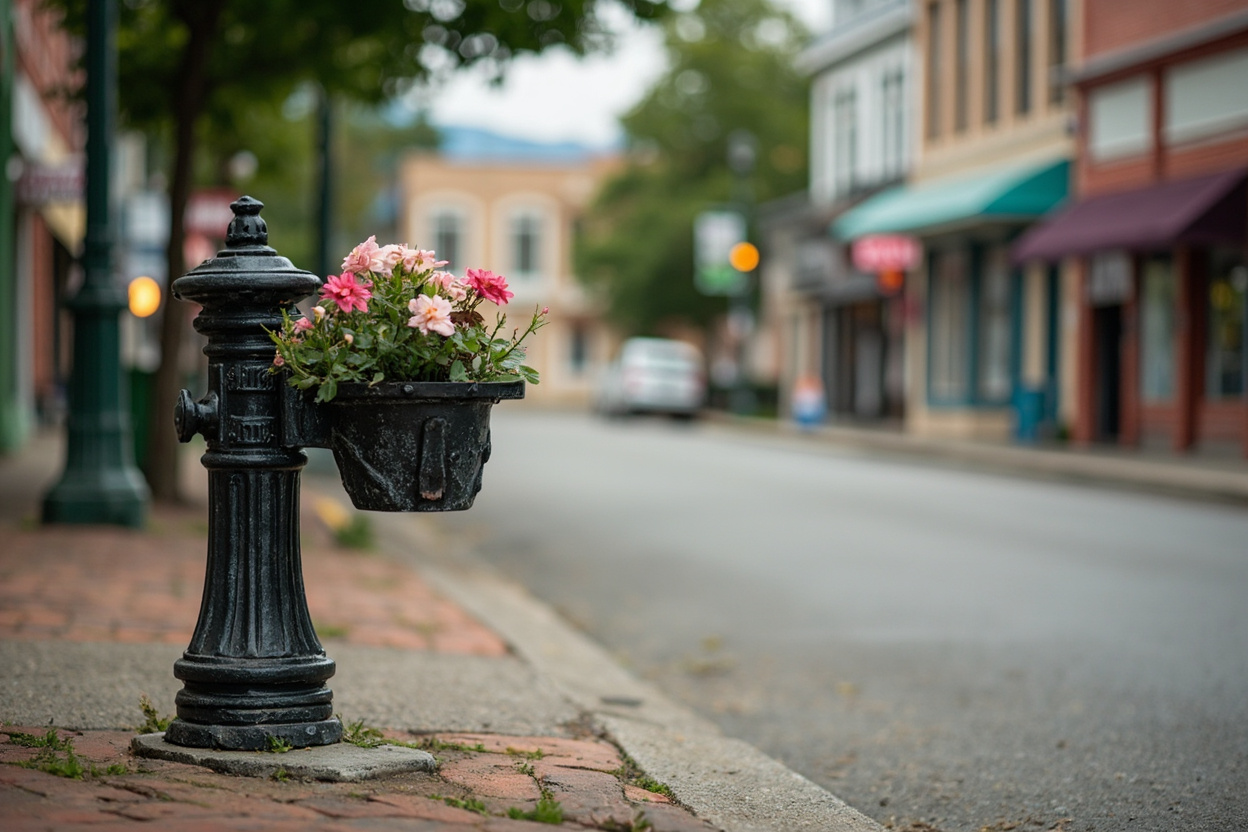
Vernon's retail history wrote itself onto 30th Avenue and the few blocks around it, and it never really moved. The downtown core holds most of the independent shops worth knowing: outdoor outfitters, a couple of old-school hardware and sporting goods stores, florists, bakeries and the cafes that come with them. Village Green Centre, a few blocks west, handles the department store and chain tier.
What Vernon does better than any other city in the valley is gear. Between Valhalla Pure Outfitters, Stüssi Sport and the winter sports specialists, a small city of seventy thousand supports a concentration of backcountry and ski retail that Kelowna cannot match per capita, which tells you something about where its residents spend their winters.
Penticton: Main Street and the beach economy
Penticton's downtown is a genuine main street: several blocks of independently owned shops running off Okanagan Lake toward the interior, dense enough to walk end to end in twenty minutes if you do not stop, which you will. The retail here leans local: kitchens, tasting rooms, bike shops, bookstores, consignment and the summer tourist trade along Lakeshore Drive at the south end.
Cherry Lane, up the hill from downtown, covers the mall tier. Between the two, Penticton covers most daily needs without leaving the city limits, which matters more here than in Kelowna because the next real shopping city is forty minutes away.
West Kelowna and the highway towns
West Kelowna is the big box answer to the question Kelowna's downtown cannot take: large-lot retail, wholesale clubs and auto dealers on the west side of the bridge. Nobody drives there to browse. Summerland, Peachland and Lake Country each hold a thin line of daily-needs shops and one or two destinations worth crossing a boundary for; Osoyoos and Oliver turn their main streets over to wine country visitors through the warm half of the year and largely sleep through the rest.
The farm gate economy
The thing no other shopping guide will tell you is how much buying happens at neither store nor mall. The valley floor between cities is working agricultural land, and from June through October it sells directly: fruit stands on the highway shoulders, orchards with honour boxes, winery doors, honey stalls and egg signs at the end of gravel driveways. For produce, this layer beats every store in the valley on freshness and usually on price, but it runs on the season rather than on hours, and a stand that was full in August can be empty by Thanksgiving.
The short version of the whole arrangement: pick your city, then pick its one or two streets, and save the highway for the boxes. If you want the eating version of the same map, it is its own article.
From the directory
Mentioned in This Article
Every place named above has its own page here, with the address, directions and a way to get hold of them.